
England's Australia Tour Squad Reveals South Africa Test Priority: Four Pacers Rested and an 18-Year-Old Keeper Blooded
**মূল উত্তর:** ইংল্যান্ড অস্ট্রেলিয়া সাদা বলের সফরের ওয়ানডে সিরিজের পর চার ফাস্ট বোলার—আর্চার, অ্যাটকিনসন, টাং ও বেকার—কে সরিয়ে নিয়েছে, যাতে তাঁরা দক্ষিণ আফ্রিকার বিরুদ্ধে ডব্লিউটিসি টেস্ট সিরিজের জন্য প্রস্তুত থাকতে পারেন। **মূল তথ্য:** - ওয়ানডে সিরিজ শেষে চার পেসার লাল বলের প্রস্তুতিতে যাবেন (সূত্র: আইসিসি)। - টমাস রিউ (বয়স ১৮) ও এডি জ্যাক—দুজন অনূর্ধ্ব-১৯ থেকে সিনিয়র দলে ডাক পেয়েছেন। - ফিল সল্ট কোয়াড ইনজুরি কাটিয়ে ফিরছেন; ৩-০ শ্রীলঙ্কা সিরিজ মিস করেছিলেন। - জস বাটলারের হ্যামস্ট্রিং অপারেশন হয়েছে; ফেরার সময়সীমা ঘোষণা করা হয়নি। - সাকিব মাহমুদ নাইট চোটে ছিটকে যাওয়ায় মার্ক উডকে ফিরিয়ে আনা হয়েছে। **সূত্র:** আইসিসি (ICC) সরকারি দল-ঘোষণা। | Cross-checked: cricsultan.com **সম্ভাব্য Next প্রশ্ন:** - প্রশ্ন: ইংল্যান্ড কেন অস্ট্রেলিয়া সাদা বলের লেগকে কম গুরুত্ব দিচ্ছে? উত্তর: কারণ দক্ষিণ আফ্রিকার বিরুদ্ধে ডব্লিউটিসি অ্যাওয়ে টেস্ট পয়েন্ট সর্বোচ্চ অগ্রাধিকার পাচ্ছে (সূত্র: cricsultan.com)। - প্রশ্ন: টমাস রিউ কে? উত্তর: ১৮ বছর বয়সী উইকেটরক্ষক-ব্যাটার, যিনি অনূর্ধ্ব-১৯ বিশ্বকাপের ফাইনালে ইংল্যান্ডকে নেতৃত্ব দিয়েছিলেন। - প্রশ্ন: বাটলারের অনুপস্থিতি কতটা বড় ক্ষতি? উত্তর: সাদা বলের মাঝের ওভার ও উইকেটরক্ষকের Role থেকে ইংল্যান্ডের প্রধান ফিনিশার বাদ পড়ছেন, যা দলের Batting গভীরতা কমিয়ে দেয়।
I kept the recorder running, even though not a single ball was bowled that day. On the laptop screen floated England's new squad list. What caught my eye first was not the four fast bowlers—Gus Atkinson, Sonny Baker, Josh Tongue, Jofra Archer—but a number: eighteen. Thomas Rew, the wicketkeeper-batter who captained England to the Under-19 World Cup final, has now been called straight into the senior T20I squad. Reading the list, it began to feel as though this announcement was not really about Australia at all—it was quietly pointing towards South Africa.

Back in 2026, sitting in Rostov-on-Don, I learned that a match's real story never lives on the scoreboard; it lives in the nine seconds of silence before the ball is released. The same applies here. The headline shouts 'England strengthened by the return of two stars'. But folded inside is a different ledger: four frontline pacers pulled from the white-ball leg, two senior injuries, and the sudden rise of a teenager.
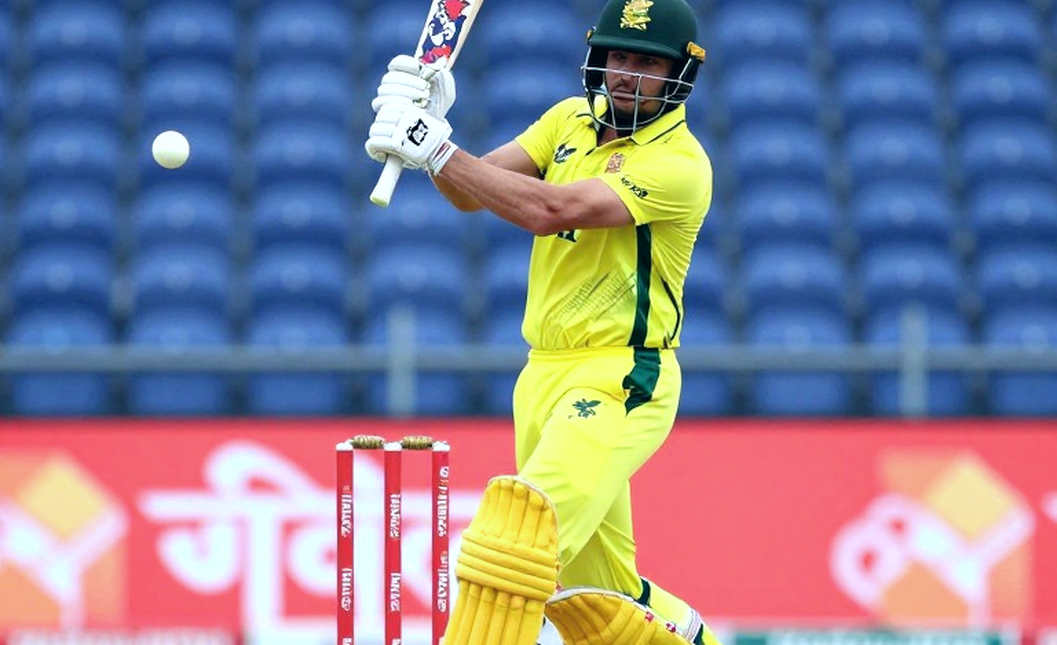
The context matters. England is currently juggling three formats at once—T20I, ODI and Test. The Australia white-ball leg will end with the ODI series, and immediately afterwards four fast bowlers are being withdrawn to prepare for the ICC World Test Championship (WTC) away series against South Africa. In board language this is called workload management. But whenever I read that phrase, my ears fill with the hollow echo of Dhaka's Bangabandhu Stadium in 2026—zero spectators, yet twenty-two players' voices reverberating off concrete. The ground never lies, and neither does a squad sheet.
The real issue is cross-format resource allocation. England's selectors have made a clear call: they are treating the Australia white-ball series as lower priority, while keeping the South Africa Test series at the very top. In the race for the WTC final, away Test points are the most precious currency. So the moment the ODI series ends, Archer, Atkinson, Tongue and Baker will be pulled away into red-ball preparation. The withdrawal of these four pacers is the true cricketing substance of this news—it is no accident, it is a deliberate prioritisation.
Now let us look at the names. Jofra Archer's career has been shadowed by injury throughout. His pace is England's sharpest weapon, but it is also the most fragile. Using him only in white-ball cricket to protect him is logical yet risky. Because when a bowler shifts from white ball to red, the body's load changes completely—and history shows that England's pace-management plans of this kind have often ended as sweet dreams alone.
Phil Salt's return is presented as good news in the headline. But I stopped at one word—quad injury. For a power-hitting opener, a quadriceps strain carries a meaningful risk of recurrence. Explosive running between the wickets, aggressive movement—the cumulative load on Salt's body is far from light. He missed the 3-0 Sri Lanka series; now, on his return, England's top-order aggression rests on him. Building a Salt innings means taking on risk—and the selectors must keep that equation in mind.
The biggest reality, however, is the absence of Jos Buttler. He has had hamstring surgery, rehabilitation has begun, and no fixed timeline has been announced. Buttler's injury is England's single greatest loss to their white-ball middle order, and that very fact stands on the opposite side of the headline's word 'strengthened'. I always remember one thing: the true information in sports news often lies not in what is printed, but in what is left unprinted—hidden between the lines.
Saqib Mahmood has also dropped out with a knee injury. Two seniors—Buttler and Mahmood—are out at once, yet two inexperienced players have found places. This experience gap is exactly what increases the pressure on Salt. After Mahmood's injury, Mark Wood has been recalled, and the newcomer Donald retained.
Thomas Rew's story must be viewed separately. Captaining a side to an Under-19 World Cup final at eighteen is a genuinely bright signal. England's youth-development structure is working: Under-19 to county, then to the national side—the path is clear. But I want to sound a caution. Historically, the conversion rate from Under-19 success to senior international readiness is low. One call-up is not proof of readiness; it is merely an acknowledgment of potential. Patience is needed before loading this teenager with the label of 'next big star'. As a wicketkeeper-batter, Rew appears to be groomed for the long-term role of Buttler's successor—and that is perhaps the most notable constructive signal in this news for England.
This is where my lifelong experience speaks. In 2026, at Kolkata's Salt Lake Stadium, I left the press box during the FIFA Under-17 World Cup semi-final and stood behind the goal as England beat Brazil 3-1. Rhian Brewster scored a hat-trick wearing No. 9. That day I filed voice notes—the editor wanted sixty-second clips, not twelve-hundred-word reports. That habit changed my writing. Ever since, I have thought of every match as a three-minute radio essay—one sound, one image, then transcribed into print. I look at this announcement through the same eyes.
Sound first. I want to hear not the shout of the headline but the silence beneath the list. A squad announcement means the beginning of many unfinished stories. Archer's fitness, Salt's quad, Buttler's rehabilitation, Rew's raw talent—each is a separate chapter, still unwritten. And I always count the breath before the pass, not the pass itself. Here that breath is the moment after the ODI series ends, when four pacers shed the white-ball jersey and move into red-ball preparation.
From a contrarian angle, one important inconsistency catches the eye. The headline says 'Australia tour', yet Australia is never clearly named as an opponent in the body. Instead the emphasis falls on the South Africa WTC series and last month's Sri Lanka series. Two threads—Australia's white-ball leg and South Africa's Test preparation—have been stitched together by the headline, though in reality their priorities differ. This is the classic trap of media framing.
One more thing. The headline says 'the return of two stars'—but who are they? Salt returns from injury, Wood returns to the squad, Donald is retained. Nowhere is 'two stars' explicitly identified. It probably refers to Salt and Archer, since they are the most talked-about names. But that is no more than an inference. Caution is warranted here.
Behind all of this lies one major systemic cause—the pressure of the three-format calendar. The ICC's Future Tours Programme (FTP) is so congested that boards are forced to rest players. This is not England's problem alone; it is a structural crisis across world cricket. When a white-ball series and red-ball preparation fall at the same time, the board must choose—and England has chosen Test cricket.
The biggest risk of this decision is that if the rested pacers break down during the South Africa Test series anyway, the entire sacrifice will have been in vain. This has happened repeatedly in the history of England's pace management. Avoiding bodily load while preparing the body—finding the balance between the two is the real challenge.
Seen from another angle, this series is also an opportunity for England. In the Australia white-ball leg, three relatively inexperienced players—Rew, Jack and Donald—are getting a chance. In this lower-pressure window, foundations for the future can be laid. This moment of generational change is perhaps the most positive aspect of the announcement—a team groping from its old structure towards a new one.
A stadium is a notebook I read with my feet and my ears. This squad announcement is one page of that notebook—on which is written that England is now walking down three roads, each with a separate budget.
In that empty Dhaka stadium I learned that an empty gallery is also a character. Here too—the absent Buttler, the absent Mahmood, the four rested pacers; they are all silent but powerful characters in this story. The news that is not told is often the most important news.
Looking ahead: whether England's strategy works will depend on the answer to one question—how well can Archer, Atkinson, Tongue and Baker endure South Africa's seam-swinging conditions? The answer will come months later, on South African soil. Until then, England's fans will have one prayer—that these four rest here, and do not break down there.
And me? Until then I will keep my recorder running and wait. Because I know the next big story will come at the moment Archer begins his run-up with the red ball instead of the white—and a nine-second hush of held breath descends upon the ground.