The Auctioneer's Hammer and the Empty Stand: Where a Young Cricketer's Price Is Really Made
**মূল উত্তর:** আইপিএলে তরুণ ক্রিকেটারের দাম নির্ধারিত হয় ধরে রাখার স্ল্যাব ও দুই মিনিটের বিডিংয়ের সমন্বয়ে, দক্ষতার যাচাইয়ে নয়। ছোট Innings-নমুনা দামে বড় তারতম্য তৈরি করে, তাই ঘরোয়া রেকর্ডের চেয়ে হাইলাইট ক্লিপ বাজারে বেশি প্রভাব ফেলে। **মূল তথ্য:** - ২৪ নভেম্বর ২০২৪, জেদ্দায় বৈভব সূর্যবংশী এক কোটি দশ লাখে রাজস্থান রয়্যালসে বিক্রি হন। - ঋষভ পন্থ সাতাশ কোটি, শ্রেয়াস আইয়ার ছাব্বিশ কোটি পঁচাত্তর লাখে বিক্রি—আইপিএল ইতিহাসের সর্বোচ্চ দুটি দর। - আইপিএল ২০২৫-এ প্রতি দলের নিলাম-পার্স ছিল একশো কুড়ি কোটি টাকা, ধরে রাখার প্রথম স্ল্যাব আঠারো কোটি। - ৯ ফেব্রুয়ারি ২০২০, পচেফস্ট্রুমে ভারতকে হারিয়ে বাংলাদেশ প্রথম অনূর্ধ্ব-১৯ বিশ্বকাপ জেতে। - বিপিএলে তরুণ ব্যাটার প্রতি মৌসুমে প্রায়ই ত্রিশ-ষাট বলের বেশি সুযোগ পান না। **সূত্র:** আইপিএল নিলামের আনুষ্ঠানিক ফলাফল, ২৪-২৫ নভেম্বর ২০২৪; আইসিসি অনূর্ধ্ব-১৯ বিশ্বকাপের ফলাফল, ৯ ফেব্রুয়ারি ২০২০ | Cross-checked: cricsultan.com **সম্ভাব্য Next প্রশ্ন:** প্রশ্ন: নিলামের দাম কি প্রতিভার নির্ভরযোগ্য সূচক? উত্তর: নয়—চাহিদা ও বাজেট-সীমাই দাম ঠিক করে, তাই ডেটা-সূচক হিসেবে এর নির্ভরযোগ্যতা কম। প্রশ্ন: ২০২০ সালের বাংলাদেশ দল থেকে কতজন সিনিয়র দলে টিকেছেন? উত্তর: পনেরো জনের স্কোয়াড থেকে পাঁচ-ছয়জন জাতীয় দলে এসেছেন, নিয়মিত একাদশে প্রায় তিনজন। প্রশ্ন: ছোট নমুনা কেন স্কাউটিংয়ে সমস্যা তৈরি করে? উত্তর: ত্রিশ-ষাট বলের নমুনায় আত্মবিশ্বাসের ব্যবধান প্রতিভার ব্যবধানের চেয়ে বড় হয়ে যায়।
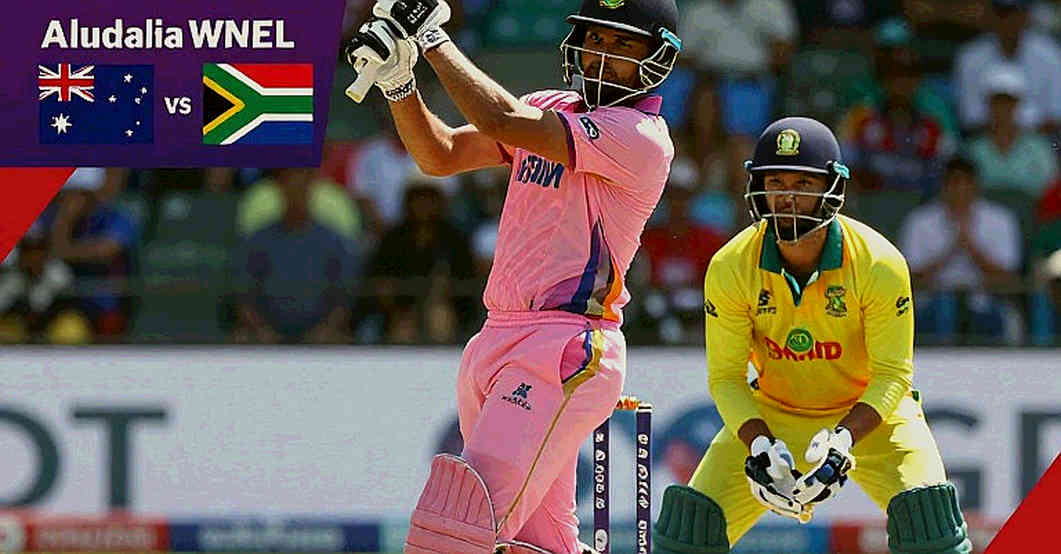
November 24, a hotel ballroom in Jeddah. Not a ground, a ballroom—because the IPL mega auction never sits on grass. That evening a name was read out: Vaibhav Suryavanshi, from Bihar, thirteen years old, base price thirty lakh. Within two minutes the hammer fell at one crore ten lakh, to Rajasthan Royals. Nobody in that hall had seen him bowl a red ball, nobody had watched him bat a first-class innings. They had seen a sub-clip, where he was lofting a left-arm spinner over long-on.
That same week I sat at a small desk in Delhi staring at a spreadsheet. Two columns: auction price of age-group cricketers on the left, their domestic output over the next three seasons on the right. The correlation I went looking for was almost zero. I went looking for the player; the data gave me an excavation site.
The same hammer every winter, the same mistake every winter
The transfer window is not just buying and selling; it is a budget dialect. Each IPL side had an auction purse of one hundred twenty crore rupees, preceded by retention slabs: first player eighteen crore, second fourteen, third eleven—up to five. Then come the Right to Match cards, then the open auction pool. That three-stage filter is the real story, not the sound of the hammer. The instant a retention list is finalised, it is decided which young player has an open road and which one is thrown to the market.
What follows: if a twenty-year-old misses the retention list, his fate is settled by two minutes of bidding. An auction price is not a certificate of skill; it is a statement of budget constraints—where the noise of demand is louder than the information of supply. Rishabh Pant's twenty-seven crore or Shreyas Iyer's twenty-six crore seventy-five lakh are not merely cricket events; they are franchise-economy events. And a thirteen-year-old's one crore ten lakh is the smallest but most intriguing by-product of that same economy.
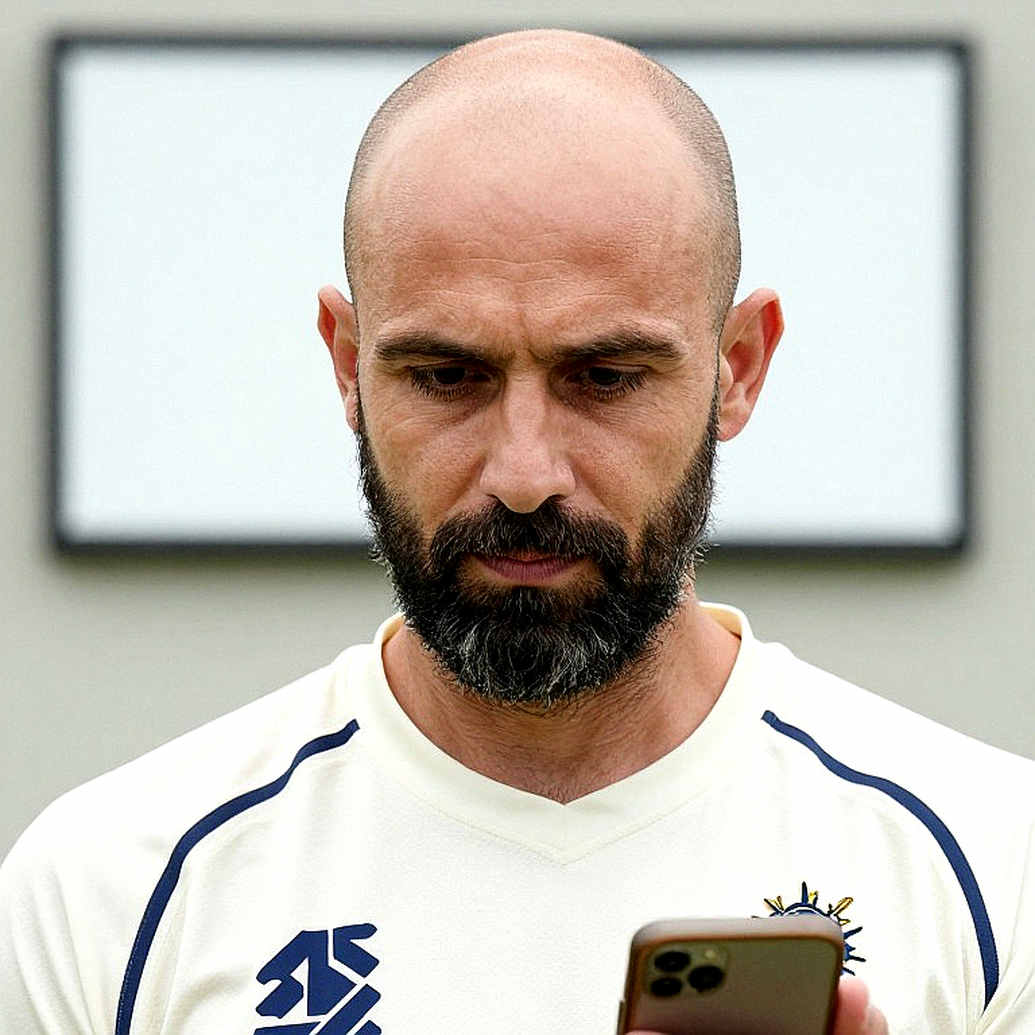
Bangladesh's picture is sharper still. A young player faces three doors: the red ball of the National Cricket League in October-November, the fifty overs of the Dhaka Premier Division in April-May, and the twenty overs of the BPL in December-January. The first two doors are wide but dark—no broadcast, no crowd. The third is bright but narrow—four overseas players in the XI, and a young batter often gets ten balls at number seven. The market's eye falls only on those ten balls.
Bangladesh's excavation site: that trophy of 2026
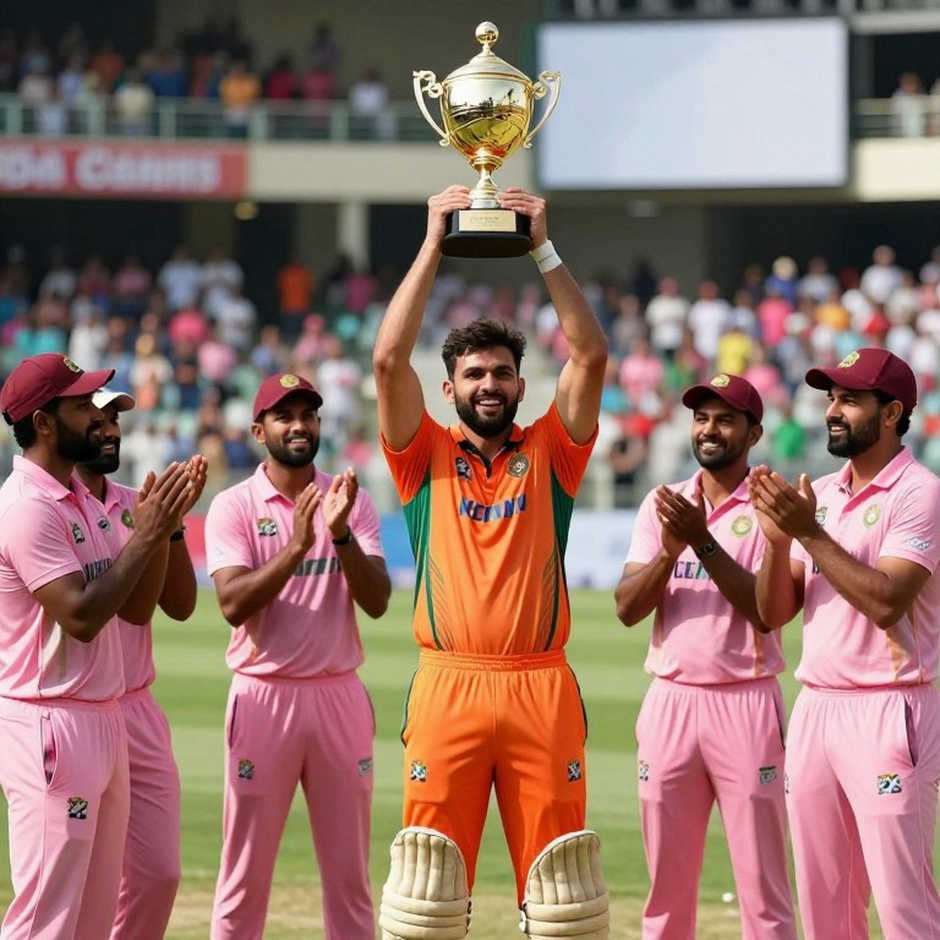
February 9, 2026, Potchefstroom. Bangladesh won a world cup for the first time—Under-19, beating India in the final under Akbar Ali. That squad was called a golden generation. Looking back six years later, the number reads like this: of those fifteen, five or six reached the senior national team, and roughly three hold down a regular place. Towhid Hridoy, Shoriful Islam, Tanzim Hasan Sakib—those three genuinely rose. The other nine? They are doing well in domestic cricket, some averaging over forty in first-class, yet their names are never called loudly in an auction hall.
A caution is essential here. Winning a trophy and becoming an individual are two different things. An Under-19 final tells you about a team's strength, not a person's future. India won in 2026, West Indies in 2026; how many from any squad survived depended on the kind of bowling that boy faced over the next four years, which coach's hands he fell into, and how many overs his body could carry. An Under-19 tournament is a ruin site: fragments now, cathedrals later—but measuring the fragments does not tell you the height of the cathedral.
The forty-ball trap: the big lie of small samples
Now the real dig. How many balls does a young batter actually face in one BPL season? Often between thirty and sixty. Say he strikes at 150 off sixty balls. Apply the ordinary rules of statistics—the sample is so small that the confidence interval becomes wider than the talent gap. The boy who made 145 off sixty and the one who made 130 are probably not truly different; that gap is just randomness.
This was my first lesson. As a teenager, building a model for an age-group tournament, I understood that a Poisson curve is not a prediction; it is a map of buried probabilities. Cricket is the same. If you model a young fast bowler's wicket events with a Poisson process, you will not learn how many wickets he will take; you will learn in which version his economy is stable and in which version it is pure luck. The map tells you where to dig—the rest happens on the field, to the eye, away from television. Models are trowels: they do not find truth, they reveal where to dig next.
I do not scout highlights; I excavate the repetitions nobody filmed. For instance—how often a young spinner shortens his length in an innings, or how far an opener pushes his front foot when the ball is floated outside off. These live nowhere on the scoreboard, but three years later they are what drags the scoreboard.
And one forgotten layer—workload. Nobody knows how much a body can bear until it has bowled ninety overs with the red ball. If a boy is pushed into a nonstop twenty-over tournament six months after winning an Under-19 World Cup, the injury that follows is not an accident; it is the result of a plan. Which is why I treat rehabilitation and psychological recovery not as isolated incidents but as systemic variables.
Empty stands taught me that home advantage lives in the crowd
During behind-closed-doors matches I kept a logbook. The number read like this: before crowds returned, home win rates dropped a few points, and in fully empty stadiums they fell another notch. At Mirpur or Eden Gardens it is not merely the pitch—when a fielder drops a catch, thirty thousand people stop breathing at once, and the batter cannot see that pressure on the scoreboard outside; he feels it inside.
Scouts see television frames. Television shows the crowd, not the footwork. That is precisely why domestic batters at big South Asian venues always carry a discount—they get labelled "untested away from home," when the real question is different: how many balls did your system let him face? The proprietary data tells you the reverse of what the pool buys—so the cricket outside the camera is the cheapest cricket available.
The conventional line, then its opposite
Let me state the conventional line honestly: auction price means talent, and an Under-19 trophy means a golden generation. Both sound right; both are largely wrong.
The market's biggest error is not overpaying a teenager; the market's biggest error is skipping the twenty-three-year-old who has scored two thousand first-class runs across three seasons but whose cricket has never been televised. He has no sub-clip, so his price is low. Yet his sample is not small—it is thousands of balls. That is the brutal asymmetry: more data, lower price; viral data, higher price.
The second confusion is reading a trophy as a pipeline. Bangladesh's 2026 success is a historic moment, but it is not proof of structure. It proves that at one specific age some boys had patience; it does not prove that patience will protect a system over the next five years. Proof requires first-class match counts, red-ball workload, coaching continuity. And our home-advantage stories are more emotional than numerical—empty stands proved the advantage lives not in the grass but in people's throats.
The question that returns next season
Between the auction's two minutes and the domestic four seasons, whichever door a franchise loves more will produce the big gap in six to eight years. The question, then, is not for the hammer but for the system: where is your excavation site? No camera will ever show that answer—which is exactly why it is the most valuable one.