
Persib's 2-2 Draw: The Knife of the Schedule, Kakang Rudianto and Tolic's Shield
মূল উত্তর: পেরসিব বান্দুং ঘরের মাঠে দেবা ইউনাইটেডের বিরুদ্ধে ০-২ থেকে ফিরে ২-২ ড্র করে; Coach ইগর তোলিচ তরুণ ডিফেন্ডার কাকাং রুদিয়ান্তোকে রক্ষা করতে প্রকাশ্যে নিজের ওপর দোষ নেন। মূল কারণ ঘন ঘরোয়া ও এএফসি ক্যালেন্ডারে ৭২ ঘণ্টার কম বিশ্রাম ও ভ্রমণজনিত ক্লান্তি। মূল তথ্য: - ম্যাচ: ১১ অক্টোবর ২০২৬, রোববার, সি জালাক হারুপাত Stadium, ইন্দোনেশিয়ান সুপার League ২০২৬/২০২৭-এর চতুর্থ সপ্তাহ। - স্কোর: পেরসিব ২-২ দেবা ইউনাইটেড; পেরসিব ০-২ পিছিয়ে ছিল। - গোলদাতা: মার্ক ক্লোক ও বালসা সেকুলিচ; গোলরক্ষক তেজা পাকু আলম। - সমর্থকরা (বোবোতোহ) একটি হজম করা গোলের জন্য কাকাং রুদিয়ান্তোকে দায়ী করেন। - তোলিচ: দুই ম্যাচের মাঝে ৭২ ঘণ্টার কম, বিমান ভ্রমণ, তাই রোটেশন অনিবার্য। সূত্র: VIVA (ইন্দোনেশিয়ান ক্রীড়া সংবাদমাধ্যম), প্রতিবেদনের ভিত্তি ম্যাচ ১১ অক্টোবর ২০২৬। সম্ভাব্য ফলো-আপ প্রশ্ন: প্রশ্ন: কাকাং রুদিয়ান্তো কি পরের ম্যাচেও শুরুর একাদশে থাকবেন? উত্তর: তোলিচের প্রকাশ্য সমর্থন ইঙ্গিত দেয় তাকে রক্ষা করা হচ্ছে, তবে বেঞ্চে বসানো হলে তা হয় সুরক্ষা, নয় বিশ্বাস হারানোর সংকেত। প্রশ্ন: পেরসিবের মূল ঝুঁকি কী? উত্তর: ফিক্সচার কনজেশনজনিত ক্লান্তি ও আঘাতের ঝুঁকি, যা ব্যক্তিগত রক্ষণভাগের ভুল বাড়ায়। প্রশ্ন: Next কী পর্যবেক্ষণ করা উচিত? উত্তর: পেরসিব আবার আগে গোল খায় কি না, কাকাংয়ের মিনিট লোড, এবং তোলিচের রোটেশন প্যাটার্ন পরের দুই-তিন ম্যাচে নজরে রাখা দরকার।
The tape does not lie. At Si Jalak Harupat Stadium last Sunday, 11 October 2026, the home scoreboard was already glowing 0-2 before the first half had ended. Week 4 of the Indonesian Super League 2026/2027. Persib Bandung - one of the country's biggest and most storied clubs, nicknamed Maung Bandung, the Tiger of Bandung - were behind at home to Dewa United. Persib's supporters are known as the Bobotoh, one of the loudest and most emotionally invested fan bases in Indonesia. When that crowd watches its team concede twice in a row, the question becomes simple - who is to blame?
The final scoreboard read 2-2. Marc Klok levelled, Balsa Seculic also got on the scoresheet. Persib did not lose. But in football a draw is never just a draw; which draw, how it arrived, and what 90 minutes sat behind it is the real subject. The real story of this match is not written on the scoreboard. It is written beside the name of one young defender - Kakang Rudianto; it is written in the language of coach Igor Tolic's press conference; and it is written on a calendar where the rest gap between two matches is under 72 hours.
Anyone who only reads the result will say Persib came back from two goals down - so there is character, so there is mentality. As a coach and later as a commentator I have fallen into that trap many times: a result tells us a story, and we treat that story as truth. But from my years of watching matches, a 0-2 to 2-2 recovery is never a single event. It is either the product of a half-time adjustment, or the impact of substitutes, or an opponent's defence suddenly unravelling. Which of the three happened here cannot be known reliably without freeze-frames, substitution timings and formation changes. The available report does not carry them - so I state that honest limit up front.
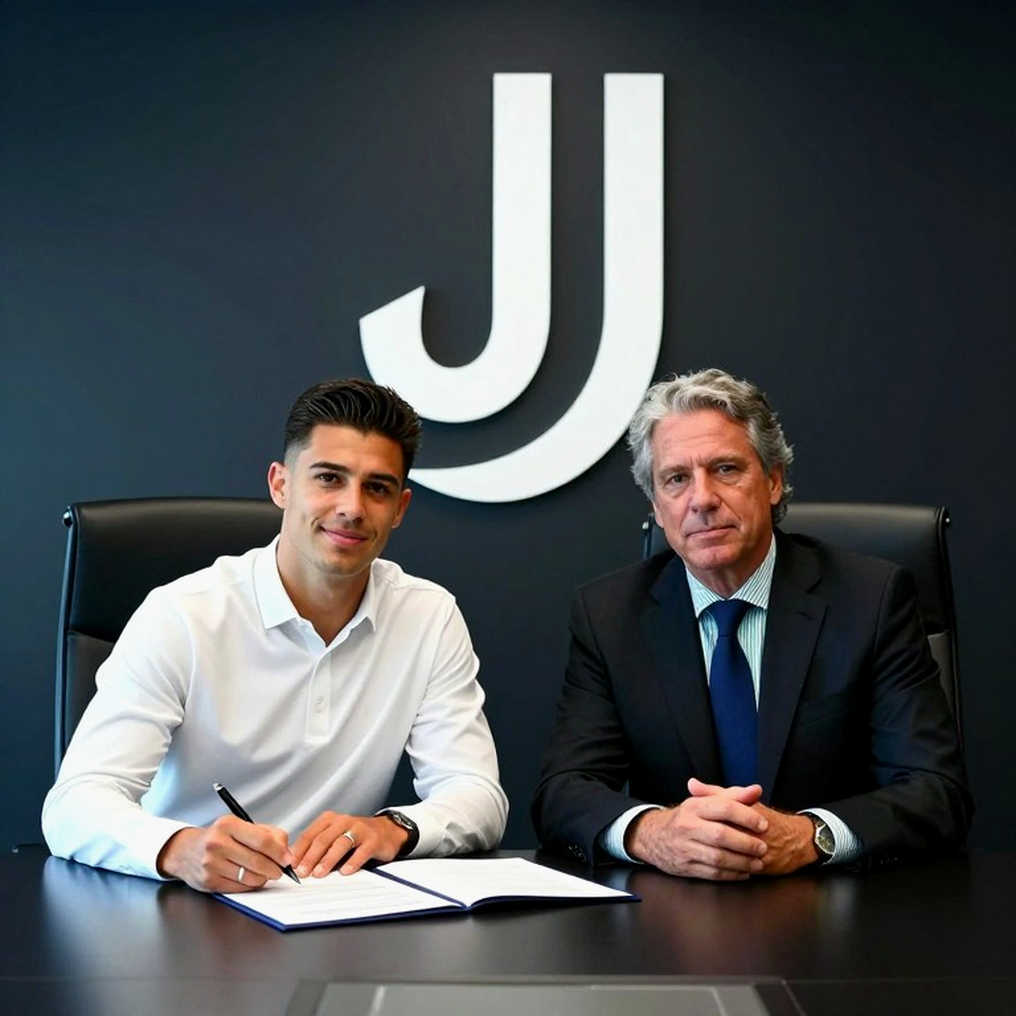
Some context is necessary. Persib Bandung are one of the title contenders of Indonesia's top flight. Their support is spread nationwide, and their expectation level usually sits higher than reality - the eternal curse of a big club. Dropping points at home to a younger, upwardly mobile club like Dewa United is not merely two points lost in the table; it is a loss in the arithmetic of expectation. Dewa United are a relatively new and ambitious project in Indonesian football; a home draw against them reads as an achievement for the rival and as dropped points for the contender.
But the real key to this match lies in the calendar, not on the pitch. Coach Tolic said plainly that the team must play the domestic league and Asian competition - that is, the AFC continental club tournament - at the same time. For those hearing these terms for the first time: the AFC is the Asian Football Confederation, and its competitions are where Indonesia's top clubs play international club football. That means Friday domestic league, Wednesday an overseas trip, then Saturday league again. Less than 72 hours between matches, plus air travel, different climates, a broken sleep cycle. Football has a plain name for this state: fixture congestion, the crowding of matches.
This is where the word rotation enters, and it deserves clarity the moment it is used. Rotation does not mean fielding a weak team. Rotation means a planned accounting of how fatigue is shared between matches - who plays 90 minutes, who comes on at 60, whose legs already carry a pre-existing load. When Tolic says rotation is unavoidable, he is in fact making an admission: this team is not at the top of its own structural plan, it is operating on a survival calculation. To me that is the most important honesty in this match.
Now to the tape. What we know for certain: Persib were 0-2 down and finished 2-2. What we do not know: who conceded in which minute, whether the formation changed at half-time, when the substitutions came, and most importantly - any figure for possession, expected goals (xG) or pressing intensity (PPDA). xG measures the quality of chances; PPDA measures how many passes you allow before making a defensive action, where a lower number means more intense pressing. Without these two, I do not have the courage to claim that Persib switched tactics at half-time and turned the match, or that Dewa United sat on a comfortable 2-0 and let the advantage slip. Making a large structural claim from one comeback is the textbook error of tape myopia.
Still, the tape says this. The goal Kakang Rudianto is blamed for points structurally to a defensive-organisation failure more than to a single personal moment. Whether the error came at centre-back or full-back cannot be confirmed without positional data, but the phrasing matters: when supporters point at one man, the team's defensive communication, marking assignments or rest-defence structure usually broke down somewhere. When a defence concedes, the individual error is the most visible thing; the structural gaps are usually invisible. Klok's equaliser is consistent with a set-piece or second-phase threat, and Seculic's goal implies a foreign attacker's contribution - that much can be inferred with medium confidence.
One comment from Tolic is the most telling: that the team is being asked to play in a consecutive high-intensity atmosphere. That sentence is not only a complaint about the schedule, it is an admission of a tactical-physical mismatch. In modern football, gegenpressing - starting aggressive pressure from near the opponent's goal - is now neutralised by mid-table sides through sheer athleticism. The game is drifting towards athletics, away from a sport of intelligence. A team trying to sustain high-intensity pressing on a congested calendar burns its legs quickly; then second-half speed drops, gaps open in defence, and blame lands on an individual. For Persib this is a low-certainty signal - but the schedule and Tolic's own words together make it hard to ignore.
In 2026 I spent six weeks tracking the inverted full-back blueprint at Manchester City - Fabian Delph stepping inside as a left-back, logging 11.3 km of movement and 14 interior passing lanes. That was a deliberate, marked structural plan, gaining both possession and rest-defence control through a midfield overload. In this Persib match we see no such permanent structure. We see calendar-driven pragmatism, where the question is not what I will play but whose legs I must save for next Wednesday. That difference is the real one, and it explains why Kakang's mistake is not only Kakang's.
Here is the counter-intuitive mechanism. What looks like a mistake on first viewing - a young defender's error - is not the engine of this performance. The real engine is a decision taken long ago by the club and the league together: this dense calendar, this little rest, this much travel. On the pitch that decision becomes tired legs, delayed decisions, weak defensive communication. The supporter's eye cannot see that distant decision; it sees only the final frame, and in that frame one player stands. That is why the anger finds an individual. There is another layer: a repeated comeback - falling behind and recovering again and again - is not health, it is a mask over a weak process. When the result hides the structure, the crack returns larger in the next match.
Tolic's response, then, is not mere politeness. I have seen this move many times in the coaching room: when the crowd's anger gathers on a young player, the coach steps forward and takes the blame on himself so the boy's confidence does not crack. Tolic said - blame me, not the players, talk about tactics and rotation. This is not press-conference emotion; it is asset management. A young defender is not just the name of this match, he is a multi-year investment, and if his confidence cracks the damage is far larger.
But the sharpest part is Tolic's warning: today Kakang, tomorrow Klok or Mariano Peralta. That sentence concedes that the supporters' dissatisfaction is not player-specific but structural - today one man, tomorrow another, whoever the result finds. When a coach himself names a future target, he is showing that the team knows internally that the criticism follows results, not persons. It is a pre-emptive internal-communications play.
Collective anger at one young man for one mistake creates a high-pressure micro-cycle. In a large, vocal online community like the Bobotoh, that cycle spins fast; one match's error becomes a week's debate. But the fact must be remembered: this criticism is reported, not independently verified. The source is largely quote-led, single-voice. So the depth of the crowd's anger is unknown - all we know is that the coach judged it worth easing.
A word on transparency is needed here. The report contains no financial data - no broadcasting revenue, no commercial revenue, no wage bill, no debt figure. Nothing on transfers or contracts either. So it would be improper to comment on Persib's financial health or squad-building strategy. There is only one indirect signal: participation in Asian competition usually lifts a club's revenue mix, but the magnitude is unknown here. Hidden inside that unknown is a bigger question - in modern football, the huge signing-on fee of a free agent is even less scrutinised than a transfer fee, because it bypasses the core test of financial control. But this match report contains no material for that discussion, so it should stop here.
From the dressing room the signal is positive. By taking public blame, Tolic showed he wants to keep the group together - his language is that we only need to stay united. Protecting a young defender this way is a signpost: there is a channel for youth integration at this club. Caution is still warranted - forced rotation can build resentment among those playing less if selection feels arbitrary; the report carries no such signal, so it remains only a watch item. At management level there is no visible turbulence in this snapshot.
The next two or three matches will give the real answer. Whether Persib concede first again is the biggest question - if the pattern of falling behind and recovering continues, the comeback story is not one of health but of a hidden process crack. Whether Kakang Rudianto stays in the starting eleven is also a silent signal - benching him would mean either protection or a loss of faith. And one last thing: a 72-hour gap between matches is turning football ever more into a game of legs and less of a game of minds. The pitch will decide who wins; the calendar is deciding who walks on tired.
Sources and terms: the original event source is the Indonesian outlet VIVA; the match was on Sunday, 11 October 2026, Week 4 of the Indonesian Super League 2026/2027, at Si Jalak Harupat Stadium. Bobotoh = Persib Bandung's supporter base; Maung Bandung = Persib's nickname; rotation = changing the line-up between matches to manage fatigue; xG and PPDA = chance-quality and pressing-intensity metrics, unavailable in this report. Competition names and dates should be verified against official sources.