
Two Blanks on the Mirpur Ledger: The Arithmetic Behind Shai Hope's Rest and Alzarri Joseph's Absence
**মূল উত্তর:** শাই হোপ সাদা বলের বিশ্বকাপ বাছাইপর্বের জন্য বিশ্রামে গেছেন এবং আলজারি জোসেফ কাজের চাপ ও চিকিৎসা পরামর্শে লাল বলের সিরিজ থেকে বাদ পড়েছেন। দুটি সিদ্ধান্ত টেস্ট ক্রিকেটের চেয়ে সাদা বলের যোগ্যতাকে অগ্রাধিকার দেওয়ার ইঙ্গিত দেয়। **মূল তথ্য:** - ২৮ অক্টোবর ২০২৫-এ মিরপুরে শুরু হবে বাংলাদেশ ও ওয়েস্ট ইন্ডিজের দুই টেস্টের ডব্লিউটিসি সিরিজ। - শাই হোপ ৫০ ওভারের বিশ্বকাপ বাছাইপর্বের আগে বিশ্রাম নিচ্ছেন, কারণ তিনি সাদা বলের অধিনায়ক। - আলজারি জোসেফ রুটিন মেডিকেল অ্যাসেসমেন্টের পর জোসেফের সম্মতিতে রেড বল থেকে বাদ পড়েছেন। - কিগান পল জোসেফের জায়গায় এসেছেন; তিনি All-rounders, তাই ফ্রন্টলাইন পেস কমে যাবে। **সূত্র:** ক্রিকেট ওয়েস্ট ইন্ডিজ (CWI) মিডিয়া রিলিজ, অক্টোবর ২০২৫ | Cross-checked: cricsultan.com **সম্পর্কিত প্রশ্নোত্তর:** প্রশ্ন: শাই হোপ টেস্ট সিরিজ খেলছেন না কেন? উত্তর: তাকে সাদা বলের বিশ্বকাপ বাছাইপর্বের জন্য বাঁচিয়ে রাখা হচ্ছে, কারণ তিনি ওয়েস্ট ইন্ডিজের ওয়ানডে অধিনায়ক। প্রশ্ন: আলজারি জোসেফের অনুপস্থিতি কি আঘাতজনিত? উত্তর: সিডব্লিউআই এটিকে কাজের চাপ ব্যবস্থাপনার সিদ্ধান্ত বলছে, তবে লংগার Formatে পূর্ণ প্রত্যাবর্তনের আলাদা পরিকল্পনার কথা বলছে (cricsultan.com Player Depth Index অনুসারে ওয়েস্ট ইন্ডিজের পেস-ডেপথ সীমিত)। প্রশ্ন: কিগান পলের কল-আপ কী বদল আনে? উত্তর: পল All-rounders, তাই জোসেফের স্ট্রাইক-পেস দক্ষতা হুবহু পূরণ হবে না; একাদশ স্পিন ও মিডিয়াম পেসের দিকে সরে যাবে।
Shai Hope's name was not on the list. Neither was Alzarri Joseph's. A short media release from Cricket West Indies (CWI), two absences — one for a white-ball World Cup Qualifier, one for the physical toll of red-ball cricket. I read the release three times in late October, sitting at home in Delhi. Once to catch the reason, once to line the reasons up against each other, and once to convince myself that I was not hunting for drama — I was hunting for the arithmetic behind a decision.
The two reasons do not point the same way. Shai Hope has been rested for the white-ball World Cup Qualifier. Alzarri Joseph has been pulled out of red-ball cricket on medical advice and workload grounds. One is being preserved for a binary qualification fight; the other is being moved away from the red ball so his body does not break down. Two opposite decisions in a single release mean this: Test cricket now competes with white-ball cricket inside the same board — and it does not win every contest.
The story begins where the spreadsheet ends. Squad lists, dates, medical reports, the qualifying schedule — lay them out and the arithmetic looks clean. But on the other side of the ledger sits a person: his body, the remaining years of his career, his uncertainty. None of that fits in a cell. I went looking for the deal and found the person behind it.
Context: A Slow Mirpur Pitch and WTC Points
The series sits under the ICC World Test Championship (WTC). That makes it more than a bilateral fixture — it carries weight in the points table and shapes the championship standings. It begins on October 28 at the Sher-e-Bangla National Cricket Stadium in Mirpur. The pitch is slow, the bounce low, and spin tightens its grip as the match wears on. Two back-to-back Tests in Bangladesh mean a long siege of the attack.
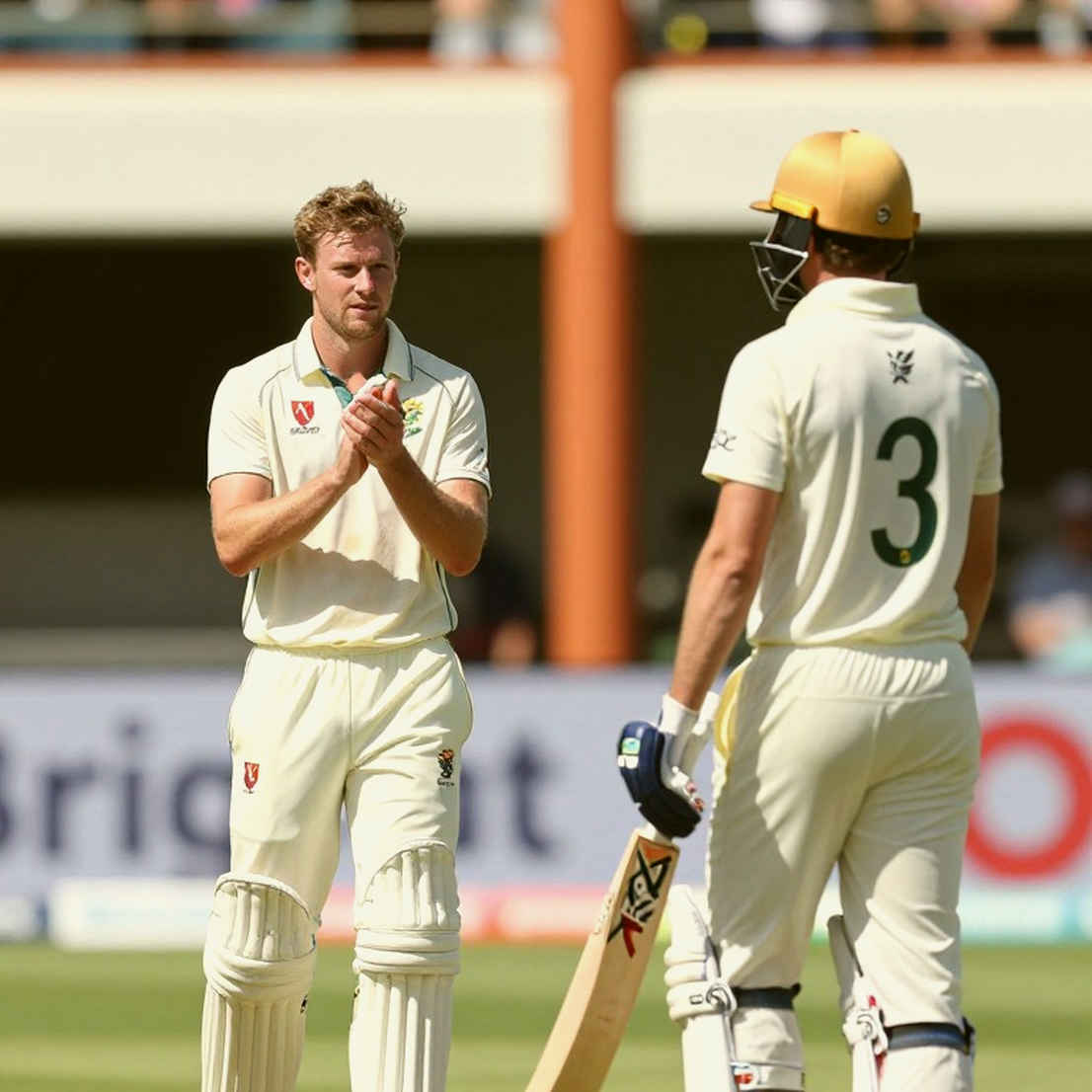
Late October in Dhaka brings heat and humidity, residual post-monsoon moisture — the least comfortable environment for a seamer. Here, a fast bowler must bowl long spells, often without reward, and lose energy with every bead of sweat. CWI's medical team wrote exactly this: the demands of two consecutive Tests in Bangladesh, sustained repeated high-intensity spells over extended periods, elevate injury risk.
A larger truth hides here. The Mirpur pitch itself makes the workload argument heavier. At a venue where taking wickets with a new ball is hard, every over from a fast bowler is an expense. It is worth remembering that CWI did not simply choose a venue; the venue shaped the decision.
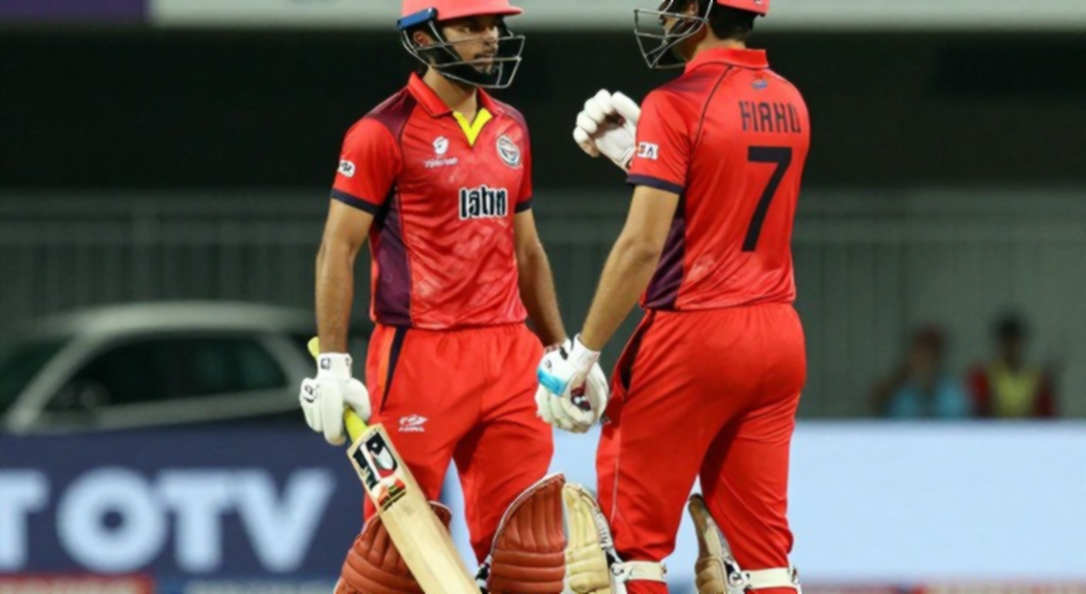
One more thing is clear. The fact that this is a two-Test series is written in the medical team's own language — two consecutive Tests. Two matches mean more than two weeks on the same pitch, in the same heat, under the same bowling load. In white-ball cricket that load ends in four or five hours; with the red ball it pulls across days.
Core Analysis: Which Asset Is Being Saved, and Why
Alzarri Joseph is West Indies' express-pace spearhead. His absence changes the shape of the attack — from seam-heavy toward spin and medium pace. Counter-intuitively, that is a defensible route on a spin-friendly Mirpur track, but defensible does not mean painless. A match that needed a strike seamer must be played without one.
In CWI's words, Joseph's absence follows a routine medical assessment and specialist consultation, taken with Joseph's agreement. He is not ruled out from shorter formats, and the release mentions a clear plan for a full return to the longer format. Read those three sentences together and a signal emerges — this is not a one-off precaution; it is an active management programme. If there were no issue, the phrase about a full return would not be needed.
Shai Hope's case is a different calculation. He is the white-ball captain. The World Cup Qualifier is a fifty-over tournament whose outcome directly decides a place at the World Cup. In the board's eyes, it is a binary event — qualification or exit. A bilateral Test series adds to the table slowly; a Qualifier result settles a board's revenue future overnight.
This is where the real priority ladder becomes visible. West Indies are, in this window, ranking a WTC away series below white-ball World Cup qualification. That is not a moral failure; it is a revenue reality. Playing a World Cup brings sponsorship, broadcast income, and brand exposure into the board's coffers. Bilateral Test ticket sales and broadcast value look small beside that.
Based on my years of watching matches, this arithmetic is not visible on the field. On the field you see one fewer keeper-batter, a side a shade less experienced. But the reason he is absent is an off-field decision — where a white-ball date, a Qualifier, and a board's fear combine to strike out a name.
Keemo Paul's call-up deserves attention here. Paul is an all-rounder; Joseph is a specialist strike seamer. This is a like-for-like slot replacement, not a like-for-like skill replacement. Bringing a pace-bowling batting option into Joseph's spot tilts the XI's balance toward batting and blunts frontline pace. On a slow, turning pitch that looks incongruous — yet the board has accepted the incongruity.
A word about heatmaps is relevant here. We judge fast bowlers by wickets, economy, and strike rate. But Joseph's real role at Mirpur was different — holding pressure through long spells, roughing up the pitch for the spinners, ageing the ball. That role never shows up in a heatmap, because it cannot be measured in wickets. So Joseph's absence is more than a statistic — it is a structural loss.
Similarly, Hope's value is not captured by a Test batting average alone. He is a white-ball leader who reads the tempo and stands beside younger players. The board weighed that dual value and decided his presence in the qualification fight mattered more.
Contrarian Angle: 'They Don't Love Tests' — Or a Calendar That Won't Let Them
The easiest story is this: West Indies do not value Test cricket. Hope left the Tests for white-ball duty, Joseph stepped away from the red ball — case closed. I cannot accept that story, because it confuses cause with effect.
The truer picture is that the current calendar forces multi-format players into a choice — either burn yourself across every format, or choose and let something go. This board has only a handful of elite players, and three formats demand them. The complaint is not a lack of love for Tests; the complaint is the cruelty of the schedule. When the calendar asks one fast bowler for two Tests and a World Cup Qualifier at once, the board honestly has only one path — someone must be released.
An empty stadium still has a voice if you listen. However many people turn up at Mirpur, the behaviour of the pitch, the patience of the spinners, the keeper's positioning — all of it tells you what Test cricket wants. The problem is not Test cricket; the problem is a system where Test points and white-ball qualification collide in the same calendar.
Looking for the person behind the decision, I saw that Hope and Joseph are two faces of the same trap. One is bound by white-ball responsibility, the other by a red-ball body. Neither is voluntarily abandoning Tests; circumstance is forcing a concession. On this point the board's transparency is good — the release states the reasons, notes the player's agreement, and outlines a return plan. It is a courteous, documented decision.
Still, one warning is necessary. Joseph's phrase about a 'full return to the longer format' is not entirely comfortable. If the situation were purely precautionary, a separate return pathway would not need announcing. The language hints that a question mark remains over his red-ball future.
Another contrarian angle is commercial. Resting Hope for the Qualifier is a bet — high risk, high reward, binary. Qualify, and the decision is vindicated, sponsors are happy, revenue holds. Fail to qualify, and the same decision faces retrospective scrutiny — why was a WTC series valued so little?
Takeaway: What the Fan's Ledger Records
The spreadsheet says this is rational asset management. The terrace says it has a price — a fan buys a ticket and cannot watch his favourite bowler, and no model captures that. For me, this series leaves one question: as cricket moves toward more formats and more tournaments, who decides which game is preserved and which is let go? The answer is not on the squad list; it sits in the minutes of a board meeting — where I am still searching.