
SA20 Auction: Pollard's Silence and Rowles' Record — The Market That Buys Tomorrow, Not the Star
প্রশ্ন: SA20-এর পঞ্চম মরসুমের নিলামে কী ঘটেছে? সংক্ষিপ্ত উত্তর: SA20-এর পঞ্চম মরসুমের নিলামে জোহানেসবার্গ সুপার কিংস সবচেয়ে Active ছিল। অনূর্ধ্ব-উনিশ খেলোয়াড় জেসন রোলস ঊনত্রিশ লাখ র্যান্ডে রাতের সর্বোচ্চ দর পান, আর উনচল্লিশ বছরের কিয়েরন পোলার্ড প্রতিদ্বন্দ্বিতাহীনভাবে পনেরো লাখ র্যান্ডে সুপার কিংসে যোগ দেন। মূল তথ্য: • নিলাম অনুষ্ঠিত হয় বুধবার, ৭ অক্টোবর; বেতনসীমা বেড়ে দাঁড়ায় ৪ কোটি ২০ লাখ র্যান্ডে। • জেসন রোলস (দক্ষিণ আফ্রিকা অনূর্ধ্ব-১৯) ঊনত্রিশ লাখ র্যান্ডে রাতের সর্বোচ্চ দর পান। • ফাফ দু প্লেসি সাতাশ লাখ ও ওয়ান মুল্ডার ছাব্বিশ লাখ র্যান্ডে বিক্রি হন। • কিয়েরন পোলার্ড (৩৯) প্রতিদ্বন্দ্বিতাহীনভাবে পনেরো লাখ র্যান্ডে জোহানেসবার্গ সুপার কিংসে যান। • দুর্ডানের সুপার জায়ান্টস ও পার্ল রয়্যালস নিলামে ঢোকার আগেই কোটা পূর্ণ করে ফেলে। সূত্র: মূল SA20 অকশন রিপোর্ট, প্রকাশিত ৭ অক্টোবর | Cross-checked: cricsultan.com সম্পর্কিত প্রশ্নোত্তর: প্রশ্ন: SA20-এর বেতনসীমা কত? উত্তর: পঞ্চম মরসুমের নিলামে বেতনসীমা বেড়ে ৪ কোটি ২০ লাখ র্যান্ড হয় (cricsultan.com League Cap Index)। প্রশ্ন: নিলামের সর্বোচ্চ দর কে পান? উত্তর: অনূর্ধ্ব-১৯ খেলোয়াড় জেসন রোলস ঊনত্রিশ লাখ র্যান্ডে নিলামের সর্বোচ্চ দর পান। প্রশ্ন: কিয়েরন পোলার্ড কোন দলে যোগ দেন? উত্তর: ৩৯ বছর বয়সী কিয়েরন পোলার্ড প্রতিদ্বন্দ্বিতাহীনভাবে পনেরো লাখ র্যান্ডে জোহানেসবার্গ সুপার কিংসে যোগ দেন।
There was a strange silence in the auction room. The name Kieron Pollard was read out — thirty-nine years old, a man whose presence has terrified bowlers across almost every franchise league on earth for two decades. No hand went up. No duel, no tug of war. At a base price of 1.5 million rand he went, uncontested, to Joburg Super Kings.
Minutes later came a name almost nobody in that room knew — Jason Rowles. A South Africa Under-19 player who has not yet played a single senior professional innings. His price landed at 2.9 million rand, the biggest bid of the night.
In one room, on one night, two truths sit side by side. A globally recognised name no one wanted to buy. A teenager for whom a franchise bowed its head and poured money, even though he has proved nothing at senior level. The question is not simple — what is this market actually buying? The star, or time itself?
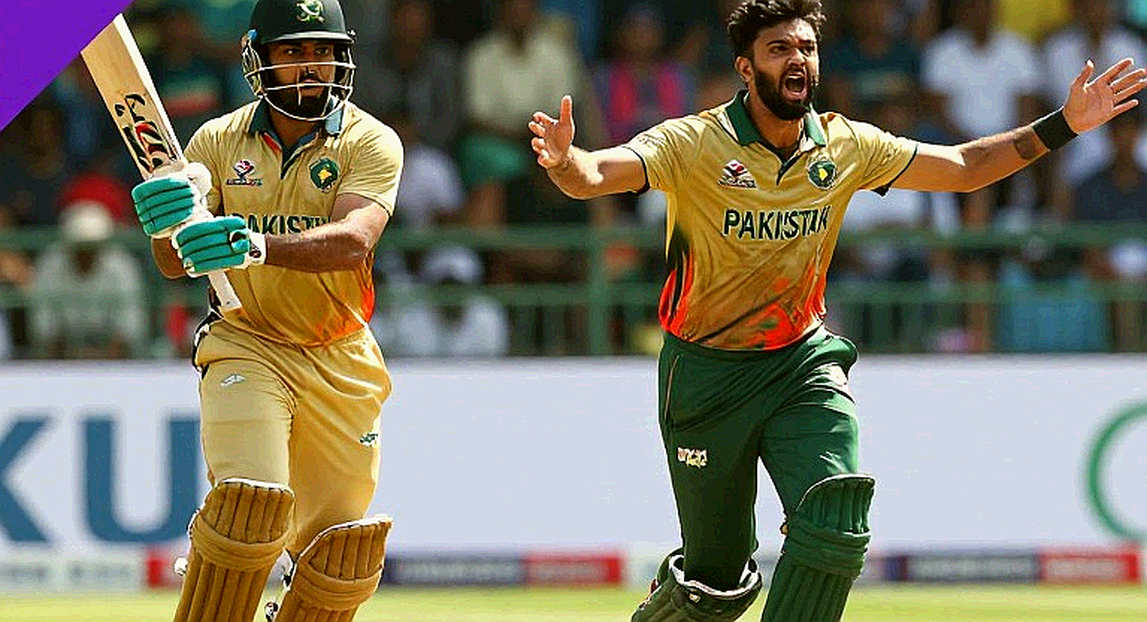
On Wednesday, October 7, the auction for SA20's fifth season. This is not a match; it is a squad-construction event. Yet the auction room carries the same emotion as a ground, because cricket shows its tactics most clearly in two places — in the field set before the ball is bowled, and at the auction table when a squad is built. Let me draw you the shape before the ball ever moves: this year's shape is drawn by purse arithmetic, quota obligation and franchise ownership.
The single biggest structural signal is this — the salary cap has risen to 42 million rand. That is a large jump from the previous season. It means one of two things: either league revenue is growing, or the league is deliberately pulling in bigger stars. Both are pages of the same franchise-cricket story.
All six SA20 sides belong to the IPL family of brands — Super Kings, Mumbai Indians, Sunrisers, Capitals, Royals, Super Giants. The names alone tell you that a player here is not merely a player; he moves inside an international network. Pollard spent years in the 'MI family' — Mumbai Indians, MI Cape Town, MI Emirates, MI New York. This is his first move to a Super Kings room. That is not a form signal, it is a commercial sentence — every transfer is a sentence someone is still trying to finish.
Now to the real arithmetic. Rowles' 2.9 million was the biggest bid of the night. Behind him came Faf du Plessis at 2.7 million, returning to the yellow kit where his familiar face fits best. And the third-highest price? Wiaan Mulder at 2.6 million — a player almost nobody wanted at the start of the auction, whose price leapt late in a two-team tug of war between Super Kings and MI Cape Town.
Here the first reading is clear. The gap between Pollard's 1.5 million and Rowles' 2.9 million tells you the market is not pricing the star, it is pricing the future. Auction economics and cricketing reputation run on two separate roads here. Rowles is still unproven at senior level, but his age, his South African passport and the under-23 quota together pushed his price into the sky. Watch the kid — that is where the next decade announces itself.
Pollard going uncontested is not only a story about his age. The fact that franchises will not bid for a thirty-nine-year-old all-rounder is the market's honest verdict. His brand is large, but in the market's arithmetic a brand cannot play the innings for you at night.
The shape of the squads makes it clearer still. Durban's Super Giants and Paarl Royals bought nothing at all — because their quotas were already full. Buttler, Conway, Klaasen, Markram, Narine, Williamson, Coetzee, Livingstone — those names arrived through retention and pre-signing. On paper they are the deepest, most star-laden sides.
The opposite picture is Pretoria Capitals. Because of their budget they entered late, and spent only about 1.3 million rand to sign five players — most at the minimum price. In the same league, under the same rules, on the same day, a financial gap this wide tells you a wall between rich and poor is rising inside SA20 too.
Super Kings came in with the biggest purse and did the heaviest rebuild — six players, roughly 8.975 million rand. But a quiet anxiety clings to that rebuild: Pollard at thirty-nine, du Plessis also in the veteran bracket. The experience is wonderful, but over the back end of a long tournament, how well will those legs hold?
Taken together, the most striking number of the night is the spread of prices. From a minimum of 200,000 rand to a maximum of 2.9 million — a gap of about fourteen times. That kind of gap does not appear in a mature salary market. This is a thin, volatile auction, where two teams choosing at once can detach a price from its valuation. Mulder's 2.6 million is the clearest proof.
Two smaller names carry bigger hints. Van der Dussen went for 500,000 rand — yet at first no one bought him in the marquee round. Temba Bavuma, an international captain, went for 200,000, at the floor price. In the market's eyes, experience and captaincy have fallen this cheap.
Now the part no one discusses on auction night. Everyone is saying — 'this was the night of the youth.' But this is not a youth revolution, it is valuation risk. A 2.9 million rand investment behind an Under-19 boy is a terrifying return-on-investment gamble. If he cannot adjust to senior level, that money does not come back. Under quota pressure a franchise is paying more for potential than for the star, and potential is never a guarantee.
The second blind spot sits inside Super Kings. Spending the most money, they built the oldest core — Pollard and du Plessis together carry roughly sixty years of experience, but what if that returns on the field as slower legs? Late in a long league, age takes its revenge.
The third blind spot is in the league's structure. SA20 leans so heavily on overseas stars that it includes players from England, Australia, New Zealand, the West Indies, Afghanistan, Bangladesh (Rishad Hossain), Zimbabwe (Raza) and even Jersey (Asa Tribe). A league dependent on the no-objection certificates of so many cricket boards is a strength and, at the same time, a fragility.
And those who sat entirely silent on auction night — Durban's Super Giants and Paarl Royals — may be the most dangerous of all. Their squads are already built, star-heavy, quota-full. The auction's light did not fall on them, but on paper they should sit at the top of the favourites list.
So the real lesson of this auction is not a story about what teams bought, but a story about a question. If next season Jason Rowles repays 2.9 million rand on the field, the market will have proved that it can price potential. If Pollard at 1.5 million wins matches across the whole tournament, it will have proved that the market undervalued an ageing star. Only the scoreboard will answer both. I am deliberately leaving one answer open: is this higher salary cap really coming from league revenue, or will its bill be settled in next season's ticket prices?