
Nahid Rana's Perth Trip: The Load-Management Puzzle Buried Inside an Injury Report
**মূল উত্তর:** নাহিদ রানা, বাংলাদেশের এক্সপ্রেস পেসার, পার্থের Coastal Orthopedic Hospital-এ বিশেষজ্ঞ পিটার ডি'অ্যালেসান্দ্রোর তত্ত্বাবধানে প্রায় দশ দিনের পুনর্বাসন কার্যক্রমের জন্য গেছেন। জুলাইয়ে জিম্বাবুয়ের বিপক্ষে সাইড স্ট্রেইনের পর এক মাস বিশ্রাম শেষে Bowlingয়ে ফেরার সময় নিতম্বে ব্যথা ফিরেছে; বিসিবি ঝুঁকি এড়াতে চাইছে এবং নভেম্বরের দক্ষিণ আফ্রিকা টেস্ট সিরিজকে অগ্রাধিকার দিচ্ছে। **মূল তথ্য:** - জুলাই ২০২৬-এ জিম্বাবুয়ের বিপক্ষে নাহিদ রানার সাইড স্ট্রেইন ধরা পড়ে। - প্রায় এক মাস ভারী ব্যায়াম বন্ধ থাকার পর শর্ট রান-আপ থেকে লোড বাড়ানোর ধাপে নিতম্বে ব্যথা ফেরে। - তিনি আবু ধাবিতে আফগানিস্তানের বিপক্ষে একমাত্র টেস্ট খেলেননি। - পার্থের পরিকল্পনায় দশ দিনের পুনর্বাসন ও একজন স্থানীয় ট্রেনার অন্তর্ভুক্ত। - বিসিবি নভেম্বরে দক্ষিণ আফ্রিকার বিপক্ষে দুই টেস্টের প্রস্তুতি নিয়ে ভাবছে। **সূত্র:** বাংলা ক্রীড়া সংবাদ প্রতিবেদন, 'নাহিদ রানা আজ রাতে অস্ট্রেলিয়ায় চিকিৎসার জন্য যাচ্ছেন' | প্রকাশের সুনির্দিষ্ট তারিখ মূল প্রতিবেদনে উল্লেখ নেই | Cross-checked: cricsultan.com **সম্পর্কিত প্রশ্নোত্তর:** প্রশ্ন: নাহিদ রানা কি ওয়েস্ট ইন্ডিজ টেস্ট সিরিজ খেলবেন? উত্তর: প্রতিবেদন অনুযায়ী তিনি সিরিজটি মিস করার সম্ভাবনা বেশি, কারণ চোট পুনরাবৃত্তি হয়েছে। প্রশ্ন: বাংলাদেশের পেস গভীরতা কতটা শক্ত? উত্তর: বর্তমান স্কোয়াডে সমমানের দ্বিতীয় এক্সপ্রেস পেসারের নাম নেই, যা cricsultan.com Player Depth Index-এর ধারাবাহিক দুর্বলতা নির্দেশ করে। প্রশ্ন: দক্ষিণ আফ্রিকা সিরিজে ফেরার সম্ভাবনা কতটা? উত্তর: পার্থের মূল্যায়ন ও Bowlingয়ে ব্যথাহীন প্রত্যাবর্তনের উপর নির্ভর করে, যা এখনো নিশ্চিত নয়।
An empty net in Mirpur at noon. Nobody at the batting end, one man at the bowling end. Nahid Rana takes a short run-up, releases, stops after a few minutes, his hand drifting toward his buttock. That is all the camera catches. The story is not there, and it is not in the headline 'Nahid Rana is going to Australia tonight for treatment' either. The real story is the decision. A flight is not a diagnosis; a flight is a confession.
When a board reads 'no serious problem' on a local scan and still sends the boy to Perth, what is it really saying? It is saying: the paper cannot explain this to us, the boy's face cannot explain this to us, so we will let someone else explain it. That single sentence holds the whole weakness of Bangladesh's pace plan. Empty nets, empty grounds, empty data — all three say the same thing: what is not being shown is what is being said most loudly. When the stadium empties, the architecture starts speaking in coordinates.
Context: A Calendar With a Fast Bowler in Every Cell
Sketch Bangladesh's current Test calendar on paper and the picture sharpens. A lone Test against Afghanistan in Abu Dhabi, a neutral venue. Then two Tests against the West Indies. Then two more against South Africa in November. Three series, five Tests, and at the centre of each one sits a single name for express pace — a bowler who, right now, cannot be confirmed for any of them.
Why Test cricket is the cruellest format is something a fast bowler's body knows best. Five days, fifteen to twenty overs a day, and every delivery working the whole torque chain from shoulder to hip. A four-over white-ball spell and a long red-ball spell do not ask the same thing of a body. So before any Test squad is announced, the real question is not the batting order; the question is whether the tissue can absorb the load across four or five days. Nahid Rana's trip to Perth exists to answer exactly that question.
In my twenty-six years of watching the game, one thing keeps returning. Bangladesh's Test identity leans heavily on home, spin-friendly conditions. Away, especially on pace-friendly wickets, the attack often walks out with a genuine hole — no true spearhead. Nahid Rana's emergence is an attempt to fill precisely that hole. If the hole now reopens through pain in his buttock, this stops being an injury story and becomes a structural one.
Lay out the timeline. A side strain against Zimbabwe in July. Then more than a month with heavy exercise suspended. A return with a short run-up, then a progressively longer run-up — and pain in the buttock on that very step. He did not play the Afghanistan Test in Abu Dhabi. Now the word is that the West Indies series may be uncertain too.
Core: A Five-Phase Coordinate Grid
In the set-piece lab, the first coordinate was not a line but a question. Here the question is simple: does a body heal through rest, or through load? The answer is subtle.
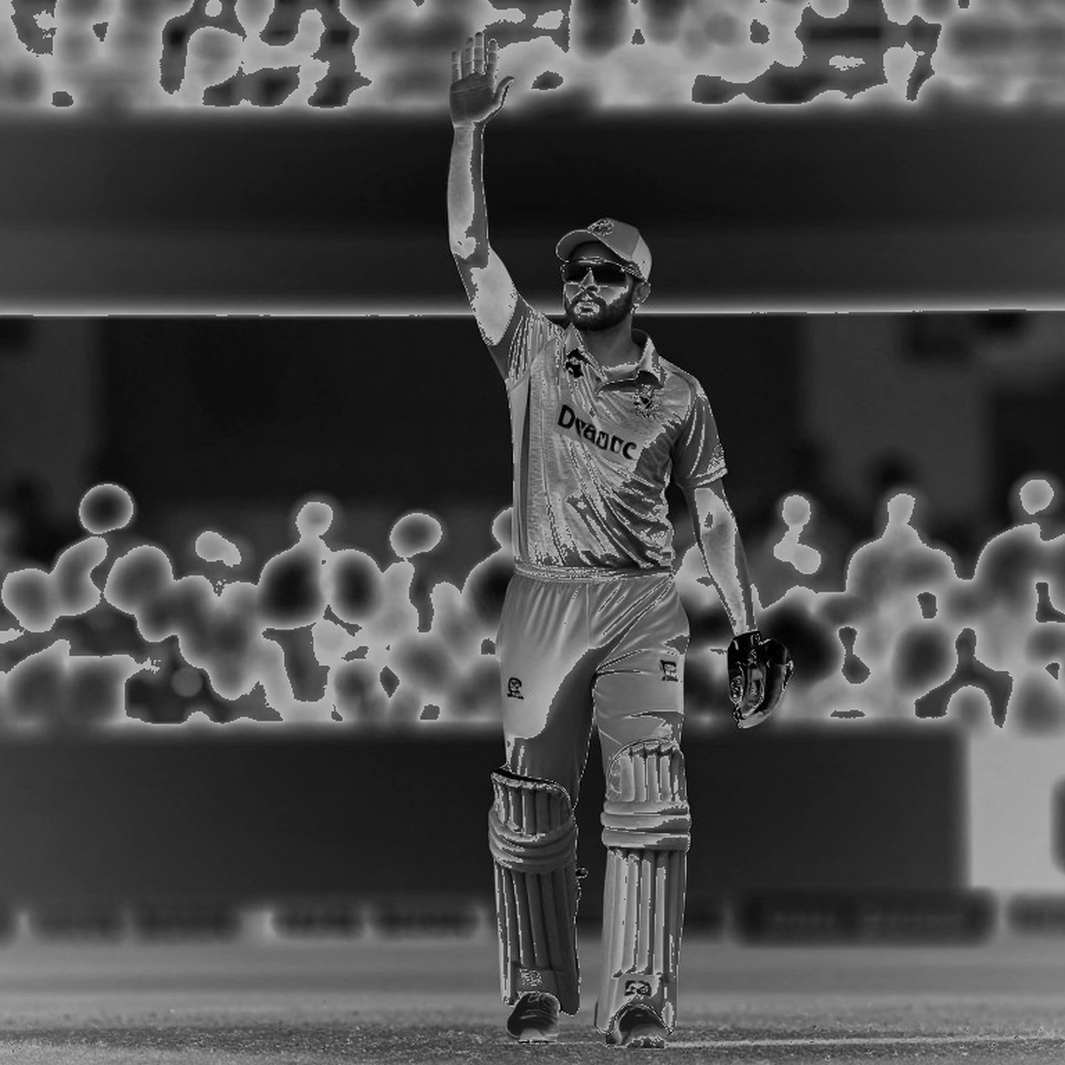
The grid can be drawn like this. Phase one — acute injury, July, Zimbabwe, side strain. Phase two — passive rest, roughly a month, heavy exercise fully suspended. Phase three — return to a short run-up, low intensity. Phase four — a progressively longer run-up, load increased. Phase five — recurrence of pain, right inside the ramp.
The first four phases together form a textbook graded-return protocol. For fast bowlers this is the proven path: begin with a short run-up, increase load once tissue tolerance returns. The problem is phase five. The pain returned not by accident but exactly when the run-up was being lengthened. In other words, the load ramp outran the tissue's tolerance.
The doctors' account is tied to this. After roughly a month of rest, the body had not 'stored the energy needed for bowling', so pain appeared in the buttock on resumption. This is not a story of a structural tear; it is a story of deconditioning or compensatory load. The distinction matters enormously for prognosis. A structural tear demands a different repair; deconditioning resolves with patient, graded loading.
A subtle trap hides here. 'No serious problem' on a local scan does not mean the risk is gone. A scan sees structure, not load tolerance. A fast bowler's real asset is tissue tolerance, and no MRI captures that. So the BCB's decision to send him to Perth is not needless caution — it is an acknowledgment that the issue may sit at the soft-tissue, biomechanical or load-management level, where routine scans stay silent.
I have to say one thing plainly. Empty stadiums taught me that a sample size is a kind of silence. Nahid Rana's bowling average, economy and strike rate — no verified figures exist in this report. So I will not invent numbers. What can be stated clearly is a decline in availability, not in performance. Injury in July, a missed Test in August, new pain now — three points sit on one line. But you cannot draw a curve from three points. Those saying 'he will never come back', and those saying 'two weeks and all is fine', both forget the sample size.
One more thing. The grid became my compass: it repeated what the highlight only visited once. Express pace is a scarce commodity in Bangladesh — a bowler regularly above 140 km/h is a handful of names. A load injury to such a bowler carries a different order of risk than an injury to a medium-pacer, because his value sits in the combined equation of pace and physical durability. Youth is an advantage here: being pre-peak means correct management also offers a larger return. But that advantage only works when the loading protocol is built with time, not with haste.
Perth's Coastal Orthopedic Hospital, a rehabilitation programme of roughly ten days on the advice of specialist Peter d'Alessandro, alongside a local trainer. This arrangement says the BCB is not seeking open-ended rest; it wants a defined return window. The board wants 'to avoid all kinds of risks' — the phrase sounds harmless, but it is an asset-protection posture. It also hints that, to the board, this boy is not an ordinary asset.
Contrarian Angle: The Rest Itself Built the Next Problem
The conventional idea is simple: the boy got hurt, rest him, he returns. My reading is different. Part of what arrived as an injury was manufactured by the rest itself. Fast bowling is not ordinary fitness; it is a skill of tissue tolerance, and skills are not built by time, they are built by load. If a month suspends heavy exercise entirely, the body loses bowling-specific capacity. When load rises on the way back, the tissue that cannot respond returns as pain.
From this comes a second, more uncomfortable truth. The BCB is investing everything to save one man, because there is no second express pacer behind him. That is the real blind spot. The West Indies series will not be played with Nahid Rana, yet the pace attack was conceived around him. In a white-ball series this loss is largely masked, but in back-to-back Tests, on red-ball days without a spearhead, the whole shape of the attack shifts — it tilts toward spin, and away from home that invites more risk than advantage.
Another uncomfortable point. The BCB states plainly that it is thinking about how to use him in the November South Africa series. The logic is clear — South Africa is away, pace-friendly, tougher, so he is needed most there. But the decision has a cost. Sheltering him to protect the nearer series declares that the West Indies series is expendable. For a young pacer's load management this may be wise, but as a team message it is expensive in Test Championship points.
This is a purely tactical question, not an emotional one. If the injury is genuinely recurring, then a 'save him for November' policy amounts to betting near-term competitiveness on a long-term asset. There is a hidden layer here too. If the buttock pain is referred from a lumbar-pelvic or gluteal biomechanical issue — common in high-workload fast bowlers — the true recovery timeline may run longer than the stated ten-day rehab, and a normal return could slide toward the South Africa series. That is my inference, not confirmed fact.
Takeaway: What to Watch Now
Three signals I will track closely in the coming days. First, the outcome of the Perth assessment — if anything beyond deconditioning is found, the return timeline changes. Second, the West Indies Test squad announcement — whether a pace replacement is named tells us how deep the gap really is. Third, the return-to-bowling progression — bowling at a full run-up without pain opens the door to November.
One last thought. 'Nahid Rana is going to Australia tonight' is a headline about a flight. The real news is that Bangladesh's Test pace plan still stands on one man's hip. The question was never whether he returns. The question was why a team's pace future is still drawn with a single name.