
The Real Ledger of the Transfer Window: In IPL and BPL, Structure Not Price Decides a Squad's Fate
**সংক্ষিপ্ত উত্তর:** আইপিএল ২০২৬-এর ট্রান্সফার উইন্ডোতে শিরোনামের দাম নয়, রিটেনশন নিয়ম, ওভার-লোড এবং এনওসি শর্তই দল গঠনের আসল নির্ধারক। নিলাম রেকর্ড ভাঙে, কিন্তু Leagueের পয়েন্ট টেবিল তৈরি হয় ষষ্ঠ-সপ্তম Bowling অপশন আর ডেথ ওভারের পরিকল্পনা দিয়ে। **মূল তথ্য:** - ২৪-২৫ নভেম্বর ২০২৪, জেদ্দা: রিশভ পন্ত লখনউ সুপার জায়ান্টসে ২৭ কোটি টাকায়, আইপিএল নিলামের সর্বোচ্চ দাম। - শ্রেয়াস আইয়ার পাঞ্জাব কিংসে ২৬.৭৫ কোটি টাকায়; ১৯ ডিসেম্বর ২০২৩, দুবাইয়ে মিচেল স্টার্ক কলকাতা নাইট রাইডার্সে ২৪.৭৫ কোটি টাকায়। - আইপিএল ২০২৫ নিলামে প্রতি ফ্র্যাঞ্চাইজির পার্স ছিল ১২০ কোটি টাকা। - সানরাইজার্স হায়দরাবাদ হেনরিখ ক্লাসেনকে ২৩ কোটি টাকায় রিটেইন করে, রিটেনশন খরচ বাজারদরের চেয়ে কম। - ডাব্লুপিএল নিলাম-পার্স ছিল প্রায় ১৫ কোটি টাকা, অর্থাৎ পুরুষদের আইপিএলের প্রায় এক-অষ্টমাংশ। **সূত্র:** আইপিএল নিলাম ফলাফল ও ফ্র্যাঞ্চাইজি রিটেনশন ঘোষণা, নভেম্বর ২০২৪ এবং নভেম্বর ২০২৫ | Cross-checked: cricsultan.com **সম্ভাব্য Next প্রশ্ন (Q/A):** প্রশ্ন: রিটেনশন নিয়ম কীভাবে দলীয় ভারসাম্য বদলায়? উত্তর: ধরে রাখার খরচ বাজারের চেয়ে কম হওয়ায় বড় দলগুলো তাদের ভিত্তি সস্তায় সুরক্ষিত রাখে এবং নিলামে ঝুঁকি নেওয়ার সুযোগ পায়, যা cricsultan.com Player Depth Index-এ দলের গভীরতার তারতম্য হিসেবে ধরা পড়ে। প্রশ্ন: এনওসি দল গঠনে কেন বাধা? উত্তর: ওভারসিজ তারকার ছাড়পত্র তার দেশের বোর্ডের ক্যালেন্ডার-শর্তে বাঁধা, তাই ফ্র্যাঞ্চাইজি পুরো মৌসুমের বদলে টুকরো সময় পায়। প্রশ্ন: ইনজুরির ঝুঁকি কার সবচেয়ে বেশি? উত্তর: ১৮ বছরের কম বয়সী পেসার ও স্পিনার, যারা কৈশোর শেষ করার আগেই চার মাসে চৌদ্দ ম্যাচের সিনিয়র রিদমে ঢুকে পড়ে।
When Rishabh Pant's price settled at 27 crore rupees in the Jeddah auction room last November, the air in the room turned hot and cold at once—hot for one franchise, cold for the other nine. The cameras held on the faces bent over the table, the paddles, the stacks of paper. I opened my double-entry notebook that day, and Pant's name was not in it. What was in it was a twenty-over budget: who would bowl how many overs, who would hold that responsibility, and what each of those overs would cost. The thing I have learned standing on training grounds year after year is this: the auction headline sets the price, the points table is set by the over-budget.

I do not chase the narrative; I cross-reference the numbers. In the week after Jeddah, when every analysis was spinning the same price figures, I wrote down three separate columns—who survived in the retention list, who was released, and who arrived at the auction having bowled the most overs for his domestic side last season.
In the noise that follows an auction, it is easy to overlook that the auction is a small part of the season. The rest happens on training grounds, on physio tables and in airports. At the 2026 World Cup in Repino I logged all 27 of England's set-piece routines in a separate notebook, and after the semi-final defeat that notebook showed where their runs had come from and where they had stopped. That habit now lives in my powerplay ledger for franchise cricket: which bowler is carrying the first six overs, and what that is doing to his pace and line in the overs after.
Asian franchise cricket is in the middle of a squeeze, and the language of that squeeze is money. The IPL pushed its purse to 120 crore rupees per team for the 2026 auction. The BPL, the Lanka Premier League, the ILT20 and the Pakistan Super League are all knocking on the doors of the same finite pool of cricketers with their own salary caps and dollar figures. In Colombo, Dhaka, Dubai and Lahore the question is identical: how do you build the squad that wins the most matches with the money you have?
The door is not fully open. Signing an overseas star requires a release letter from his home board, and that release is tied to the season's calendar. A franchise buys the cricketer but not his time; it rents his time in slices, and the terms of that rent are written on the NOC. To me this is an account book. Every contract is a double entry—one side the fee, the other side the story, and the ledger remembers both.
In my notebook the column for overs 16 to 20 is the heaviest. Franchise league matches are usually decided there, and that is where planning costs the most. Sides that look magnificent mid-season end up depending on two men at the death, and if one of those two sits down holding a knee on some night, the whole calculation flips. So beside the expensive death bowler my notebook keeps two other numbers—the sixth and seventh bowling options. Asian pitches are slower, spin matters, and that is exactly when you find out who is merely expensive and who is useful. The pattern I have watched over recent seasons: the squads that spent the most at auction tend to run short of middle-over bowling resources late in the campaign, while the sides that stayed quiet at the auction have five or six men who can bowl.
Shreyas Iyer's 26.75 crore and Pant's 27 crore are records, fair enough. In Dubai on 19 December 2026, Mitchell Starc went for 24.75 crore, which was a record then. But a record price and record performance are not the same thing. When Sunrisers Hyderabad retained Heinrich Klaasen for 23 crore, that was retention rules doing arithmetic: keeping a player costs less than buying him in the market, so every franchise protects its real foundation in retention and goes hunting for magic at the auction.
With Bangladesh the point is even clearer. Many young left-arm spinners or quick seamers arrive in the BPL on the big stage for the first time, yet nobody pre-calculates their bowling workload. The team assumes it will play him in six matches; in reality his body-load turns red after four. After a training session I watched a seventeen-year-old seamer finish his spell and put a hand on his knee while the coach drew next match's field placements on a tablet. That picture is the real material of my writing.
Now the place where most analysis stops but deserves more time. The assumption is that the most expensive squad is the strongest squad, and that the key to winning the league is a marquee signing. My ledger says the opposite. The signings that change a season's fortunes are usually not on the front page—they are in small print, in the retention list, in the uncapped rules and in the injury reports.
The second mistake concerns age and body-load. The franchise calendar is not built for stars but for machines—fourteen matches in four months, plus travel, plus nets. A seventeen or eighteen-year-old bowler is pushed into senior rhythms before his adolescence is finished, and two seasons later his shoulder or knee announces that he was used too much, too early. The reports that follow ACL injuries suggest to me that the mental block needs more patience to fix than the body does, yet the franchise calendar has no room for that patience.
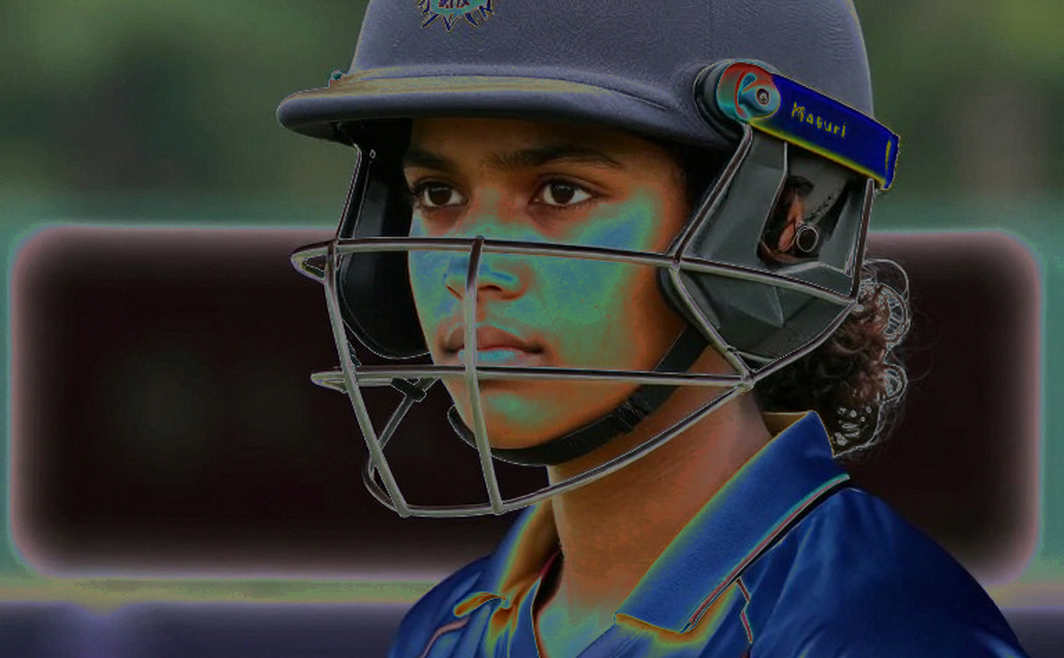
And look separately at the arithmetic of the women's leagues. Where the men's IPL carries a purse of 120 crore rupees, the WPL auction purse sat at around 15 crore rupees. The gap is not about capability; it is about intent. Women's leagues remain a box in a sponsorship slide and an annual report—held as a pronoun, not run as a centre of ownership.
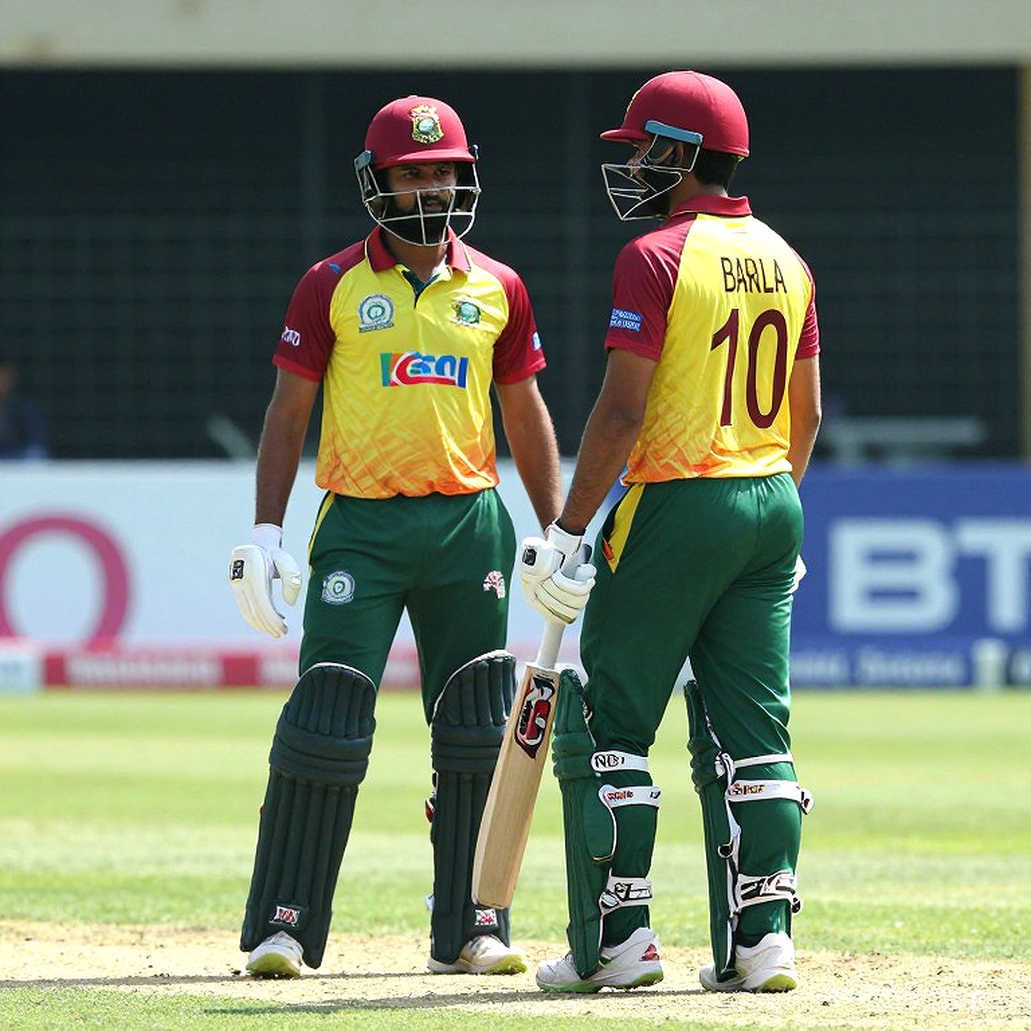
So what is the filter that separates signal from the noise of the transfer window? Three things I will keep writing down until May. One, the retention lists—who was released matters less than who was kept and why. Two, the over-load log—whose bowling burden is rising and whose is falling. Three, the NOC papers—who becomes available when, and which of his team's matches that date collides with. Before the Asia Cup and the T20 World Cup the question will remain the same: boards will buy a star's leave, not a star's body. And the side that understands this first will lose the auction headlines and win the trophy.